Pulchur Editorial Team
All products featured are independently selected by our editorial team. Some links may earn us a commission.
Pulchur Editorial Team
All products featured are independently selected by our editorial team. Some links may earn us a commission.

Every summer, the same challenge returns.
As temperatures rise, heavy fabrics that felt comfortable in spring quickly become restrictive. Jackets feel warmer, trousers become less breathable, and even simple shirts can feel uncomfortable after a few hours outdoors.
This is exactly why linen has remained one of the most trusted warm-weather fabrics for centuries.
Lightweight, breathable, and naturally relaxed, linen offers a combination of comfort and style that few other materials can match. From casual shirts and drawstring trousers to tailored suits and Riviera-inspired outfits, linen has become a staple of summer menswear around the world.
In this guide, we'll explore what linen is, why it works so well in warm weather, how to wear it, and the essential linen pieces every man should consider adding to his wardrobe.
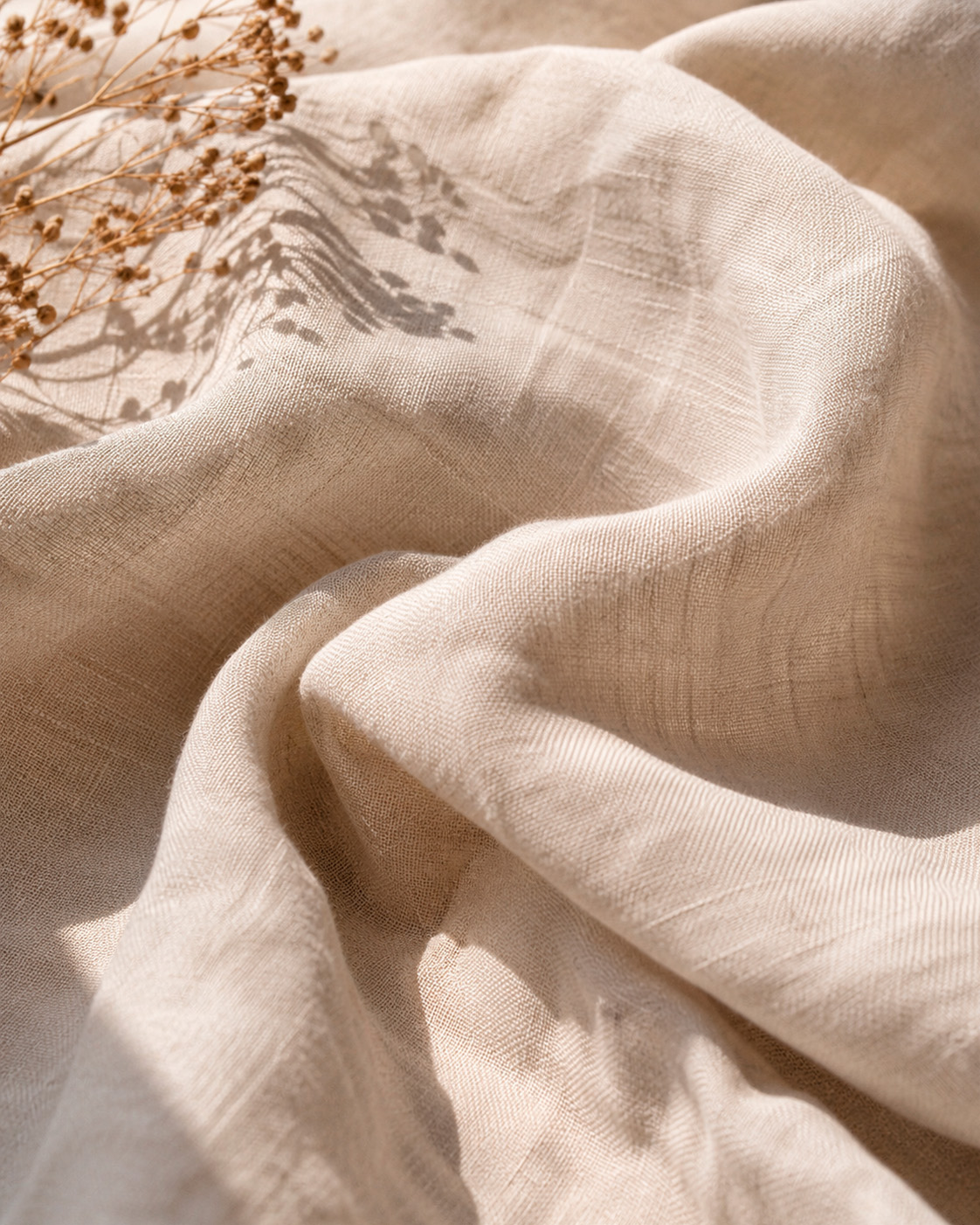
Linen is a natural fabric made from the fibers of the flax plant.
It has been used for thousands of years and remains one of the oldest textiles still widely worn today. Unlike cotton, which tends to retain more moisture, linen allows air to circulate freely through the fabric.
The result is a material that feels cool against the skin even on particularly warm days.
One of linen's most recognizable characteristics is its texture. Rather than appearing perfectly smooth, linen often displays subtle irregularities and natural wrinkles. While some fabrics look worse as they crease throughout the day, linen's relaxed appearance is considered part of its appeal.
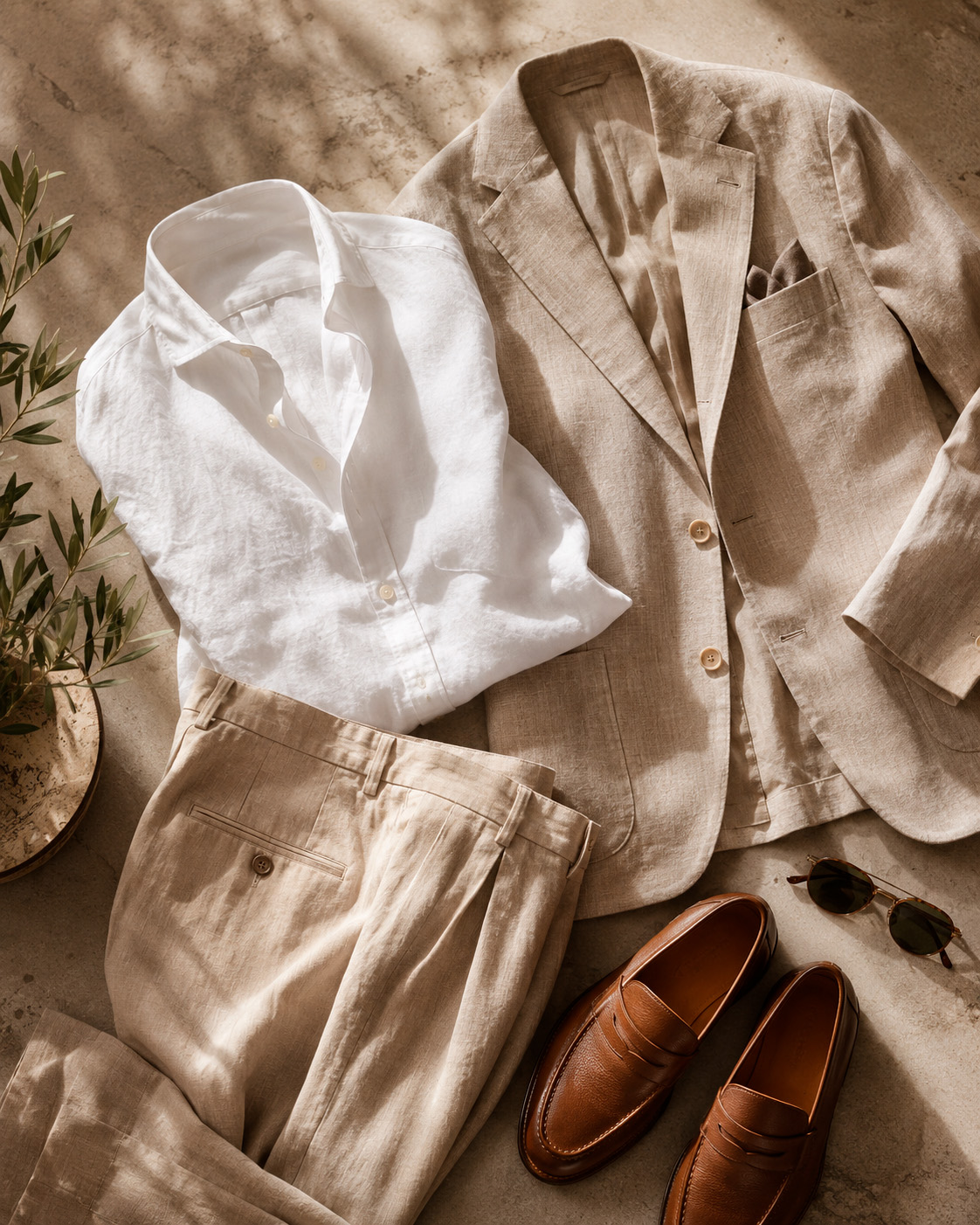
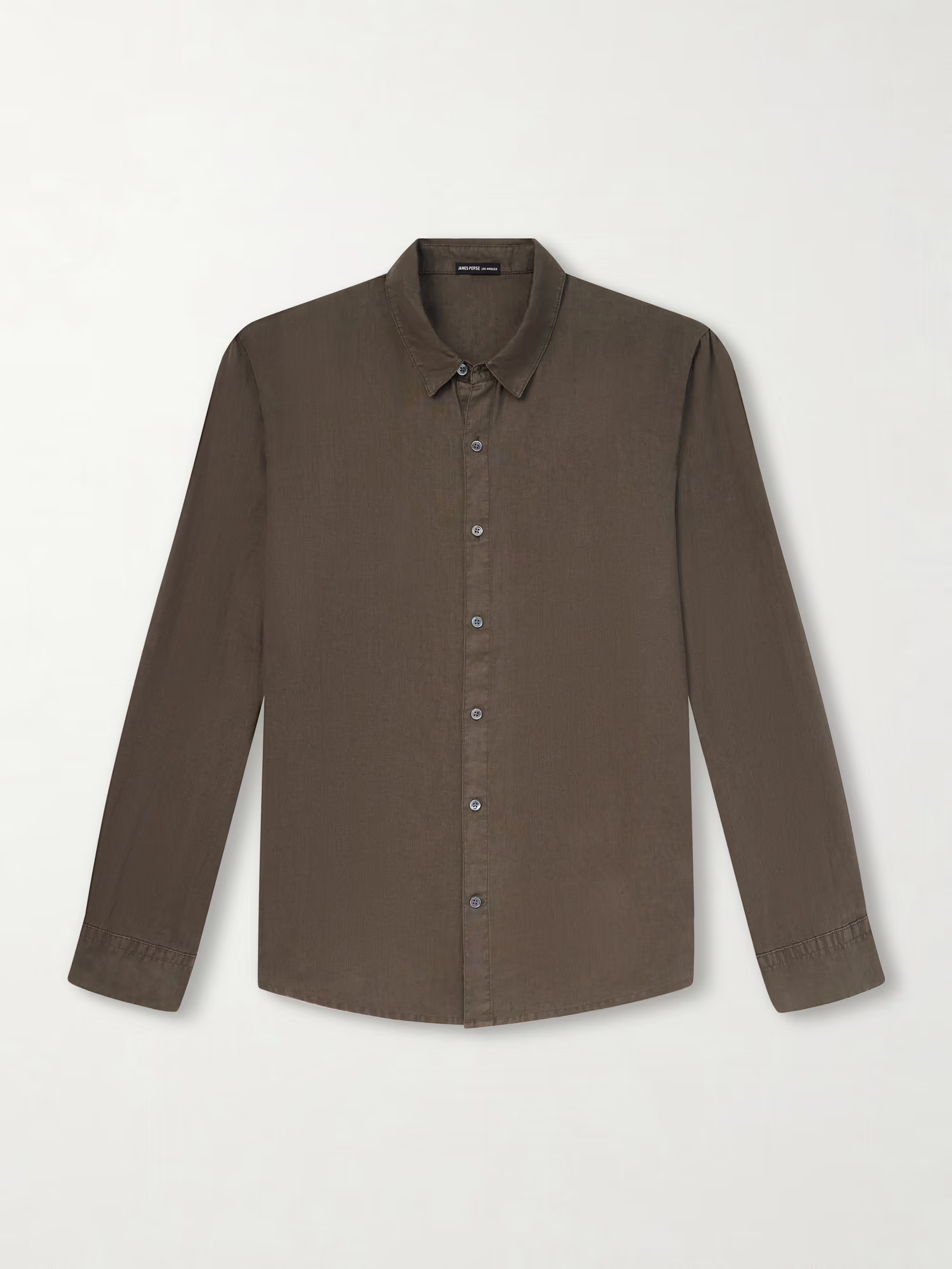
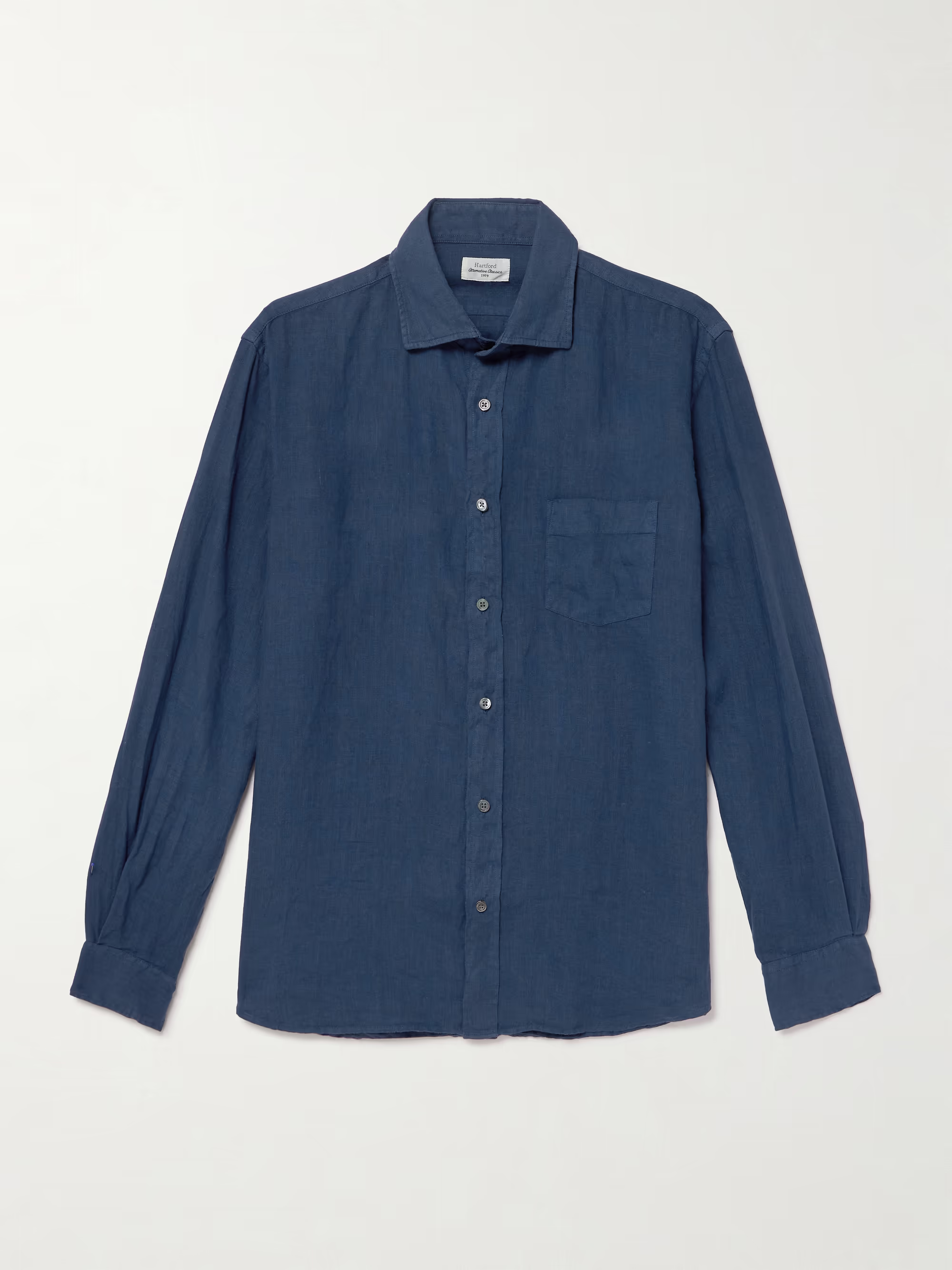
Linen Shirt
The linen shirt is the easiest place to start. Lightweight and breathable, it works with everything from shorts to tailored trousers. White, light blue, beige, and light grey are the most versatile choices.
Linen Trousers
Linen trousers offer comfort without sacrificing refinement. Beige, stone, white, olive, and navy pair effortlessly with most summer wardrobes.
Linen Blazer
A linen blazer is a lighter alternative to traditional tailoring. It adds polish while maintaining the relaxed character that makes linen so appealing.
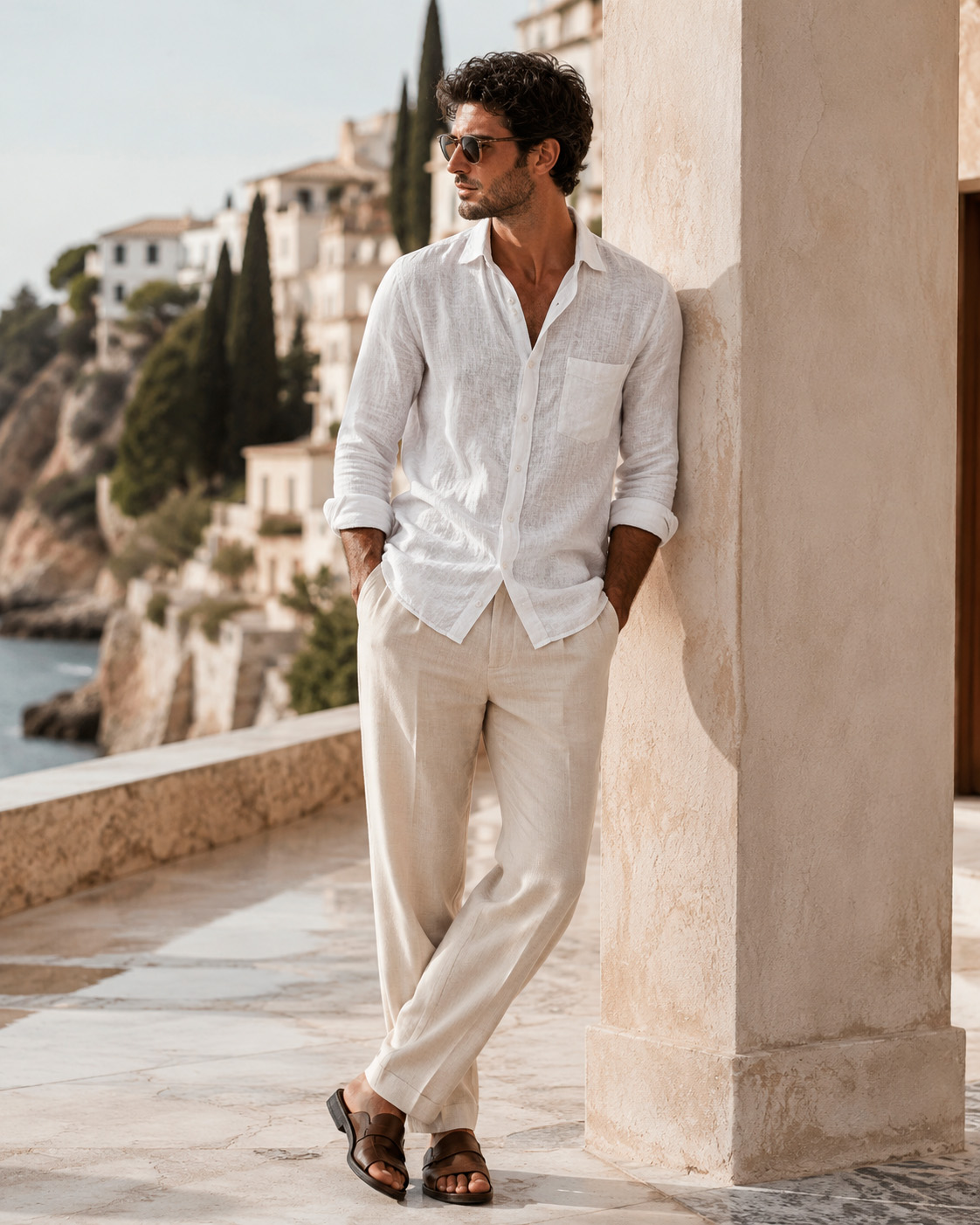
The key to wearing linen well is embracing its relaxed character.
Rather than trying to make linen appear perfectly structured, allow the fabric's natural drape and texture to become part of the outfit
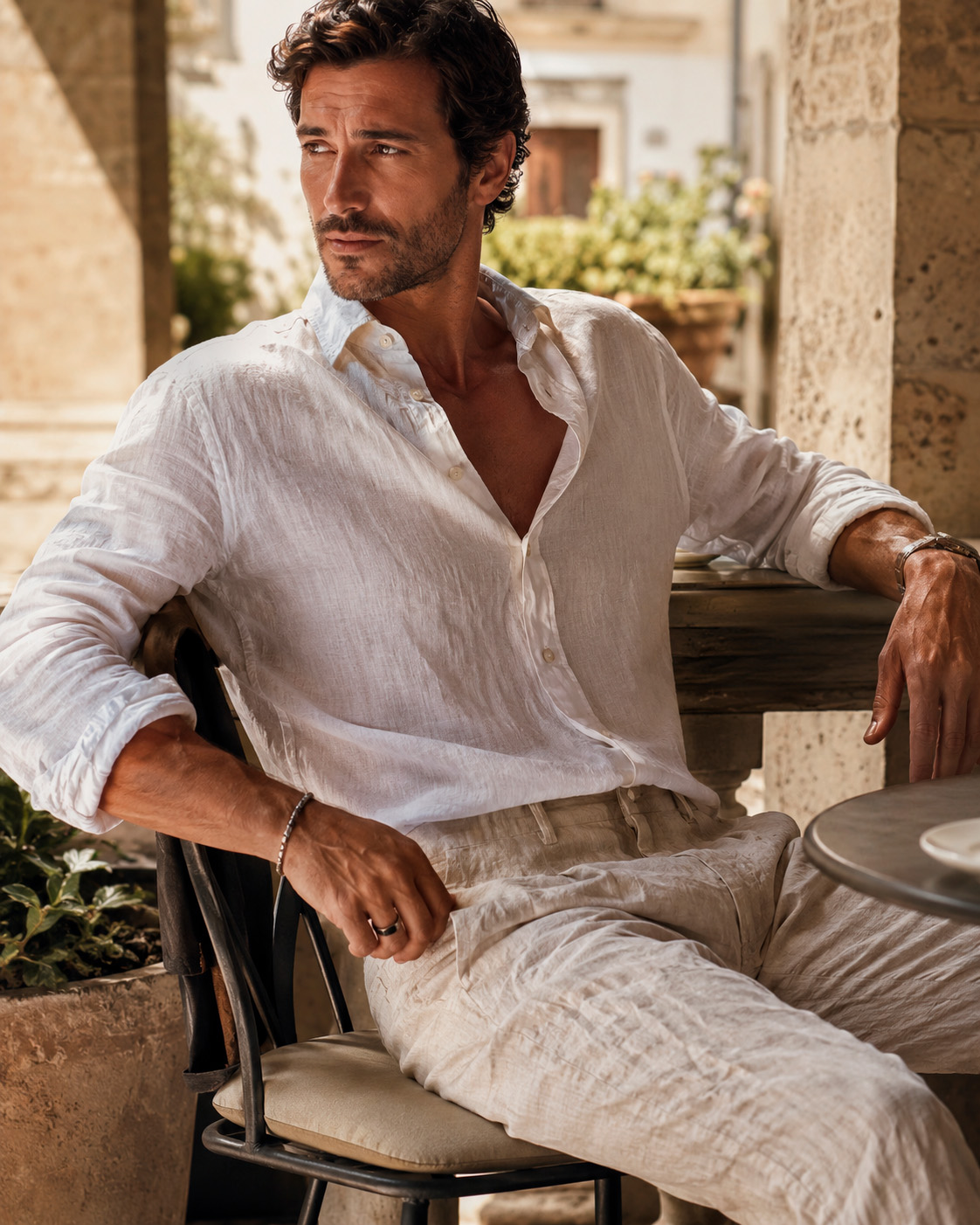
One of the most common concerns about linen is wrinkling.
The short answer is yes.
Linen naturally creases throughout the day, and attempting to keep it perfectly pressed often defeats the purpose of wearing it.
The goal isn't to eliminate wrinkles entirely but to maintain a clean, intentional appearance. Light creasing signals the fabric's authenticity and is generally considered part of its charm.
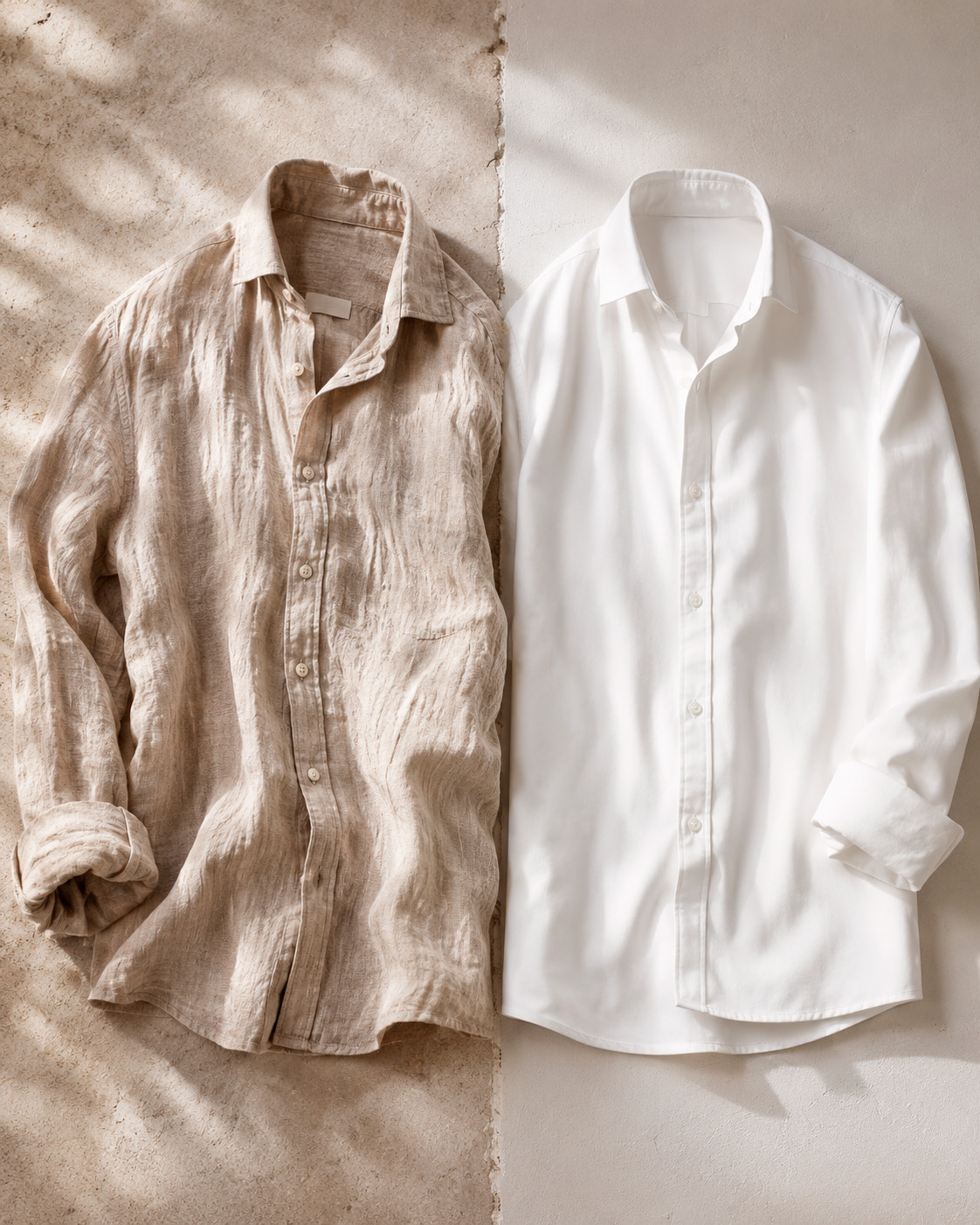
While both fabrics perform well in warm weather, they offer different experiences.
Linen generally provides:
Cotton generally provides:
Many modern garments combine both fibers, offering a balance between comfort and practicality.